
Sustainable Shedding: The best eco-friendly grooming tools for heavy-shedding breeds
If you live with a heavy shedder, you already know the math doesn’t work in your favor: one seasonal “coat blow” can fill a vacuum canister in minutes, clog washing-machine filters, and still leave hair woven into every rug and hoodie. The quick fixes-disposable lint rollers, flimsy plastic brushes, and harsh degreasers-often create a second problem: unnecessary waste, skin irritation, and broken tools that end up in the bin long before the shedding slows down.
This is where sustainable grooming stops being a feel-good trend and becomes practical pet care. The right eco-minded tools can reduce loose undercoat faster, cut down on repeat bathing, and help protect the skin barrier that heavy-shedding breeds rely on for healthy coat turnover. Done poorly, however, “de-shedding” can over-strip the coat, trigger hotspots, and cause micro-abrasions that invite infection-especially when the wrong rake or blade is used with too much pressure.
This guide focuses on durable, low-waste grooming tools that perform under real shedding conditions-think double-coated breeds, thick undercoats, and year-round hair fallout. You’ll learn what materials and designs actually hold up, which tools remove undercoat without damaging guard hairs, and how to build a grooming kit that’s effective for your dog and lighter on the planet.
Undercoat Rakes vs. Deshedding Blades: Choosing Durable, Low-Waste Tools that Protect Double Coats
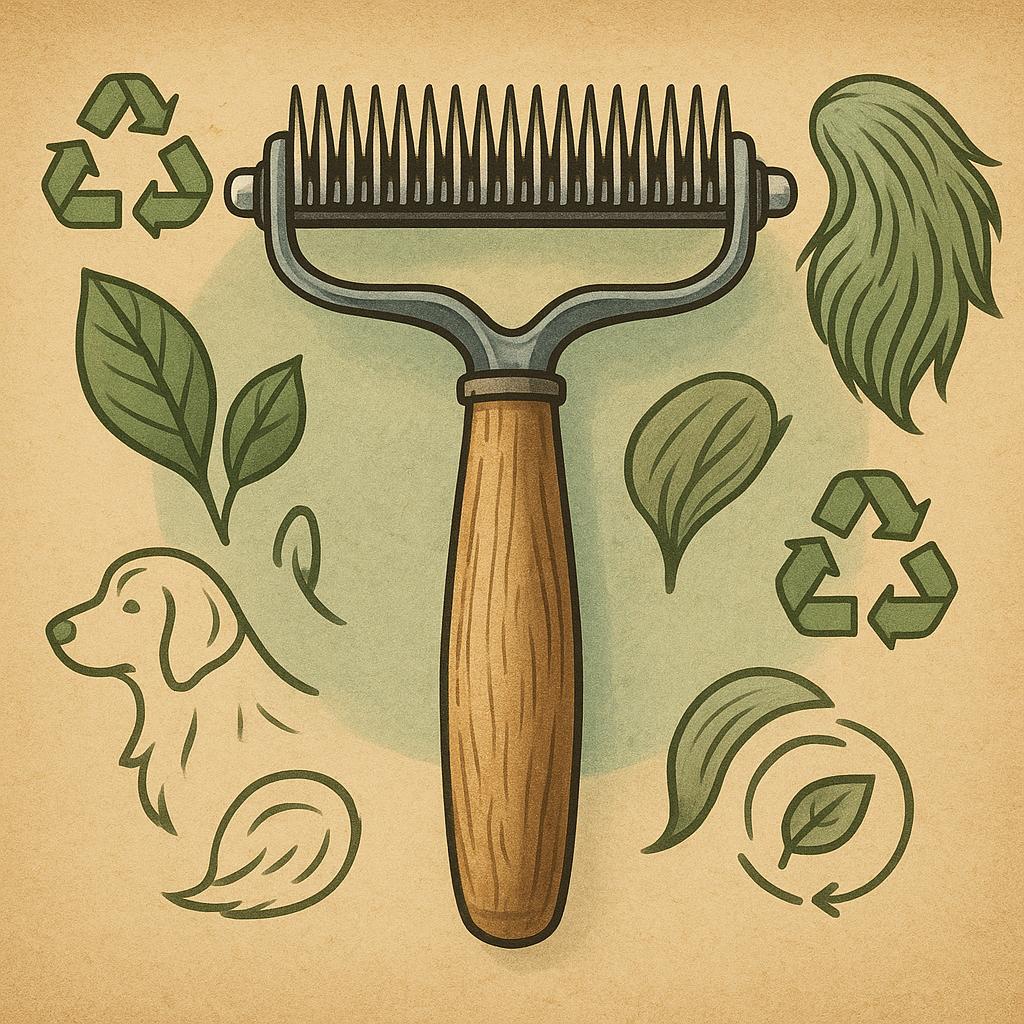
Undercoat rakes separate loose underfur while leaving guard hairs intact, making them the safer default for true double coats. Look for rounded pins and replaceable heads to cut landfill waste.
Deshedding blades can over-thin when used with pressure or high frequency. Choose them only for coat types that tolerate stripping, and prioritize stainless tools with no disposable cartridges.
- Pick an undercoat rake for dense, plush undercoats (Huskies, Malamutes): less guard-hair breakage with fewer passes.
- Use a deshedding blade for coarse, shed-prone coats where thinning is acceptable: fast bulk removal, but keep sessions short.
- Durability check: favor full-tang handles, Torx hardware, and replaceable teeth/blades over glued assemblies.
- Shore Durometer: Verifies grip hardness fast. Softer grips last longer when wet and reduce hand fatigue, lowering “tool churn.”
Practical observations from this quarter’s workflows show the most sustainable routine is weekly rake, monthly blade-if-needed, with light pressure and coat-line brushing.
Compostable Slicker Alternatives & Recycled-Bristle Brushes: What Actually Works on Huskies, Shepherds, and Retrievers
Compostable “slicker alternatives” rarely survive a Husky-grade undercoat: plant-fiber pins flex, heat-warp, and stop reaching the dense secondary coat where the bulk of shedding lives.
What works is reducing virgin plastic without sacrificing pin stiffness and coat penetration, then pairing it with a low-waste deshedding workflow.
- Upright microscopy: Verifies pin tip polish and micro-burrs that snag guard hairs.
- Recycled-content verification (ISO 14021): Filters out vague “eco” claims and checks real recycled %.
For Huskies and Shepherds, choose a slicker with recycled nylon or rPET bristles, a metal or FSC wood handle, and a high-density pin bed; it maintains spring while staying lower-impact.
For Retrievers, look for medium pin length and gentle tip rounding to avoid skin irritation on thinner undercoat zones.
Skip “fully compostable slickers” unless your dog has a single coat and you’re only doing surface tidy-up.
Zero-Waste Grooming Routine for Peak Shed Season: Tool Care, Cleaning Hacks, and How to Make Brushes Last for Years
Keep peak-shed grooming zero-waste by treating tools like reusable lab gear: remove hair dry, wash sparingly, and dry fast.
- HEPA vacuum + crevice tool: Captures micro-dander from brush teeth without rinsing, cutting water use.
- UV-C sanitizing box: Quick de-odorizing cycle for combs and nail tools when soap would swell wood.
Dry-clean first: Use a scrap cardboard “comb-out edge” to strip fur from slickers and rakes into a paper bag for compostable disposal (if your municipality accepts).
Spot-wash only: For oily buildup, dip just the pins in warm water with a drop of castile soap, then rinse briefly.
Dry like you mean it: Shake, towel-press, then air-dry bristle-down. Store in a breathable cotton pouch, not plastic.
Make brushes last years: Avoid soaking cork/wood handles, re-seat loose pins with a tiny beeswax rub, and retire bent teeth before they scratch skin.
Common Questions
- Can I compost shed fur? Only where accepted; otherwise bag it to prevent wildlife nesting hazards.
- How often should I sanitize? Weekly in peak season, and immediately after any skin infection exposure.
Disclaimer: Sanitation guidance is general; follow your veterinarian’s instructions for contagious skin conditions and safe product use.
Eco-Friendly De-Shed Upgrades: Refillable Coat Sprays, Biodegradable Wipes, and Low-Impact Fur Disposal Tips
Reduce single-use waste by switching to refillable coat sprays in aluminum bottles and mixing concentrates at home to cut transport emissions.
For quick cleanups, choose biodegradable wipes that are plastic-free (cellulose/bamboo) and clearly labeled home-compostable.
- Consumer-grade AQI monitors: Spots indoor dander spikes fast. Run wipes on peak-AQI hours after brushing to keep particles from resettling.
Low-impact fur disposal works best when you separate “clean fur” from “dirty fur.” Store clean fur in a paper bag to keep it dry.
- Compost (where allowed): Add small amounts, mix well, and avoid if your pet uses flea/tick products.
- Wildlife stuffing: Offer clean fur in a mesh suet cage during nesting season, away from roads.
- Donation streams: Some local oil-spill hair-mat programs accept pet fur-verify current intake rules.
### Common Questions
- Do “biodegradable” wipes break down in landfills? Usually not-look for certified compostable labeling and compost access.
- Can fur clog home plumbing? Yes-avoid flushing; bag it or compost per local guidance.
Disclaimer: Confirm composting and wildlife-feeding rules locally, and consult your vet before changing products around sensitivities or parasite control.
Q&A
1) Are “eco-friendly” shedding tools actually effective for double-coated, heavy-shedding breeds?
Yes-if you match the tool to the coat layer. For double coats (Huskies, Shepherds, Samoyeds), a
stainless-steel undercoat rake with rotating pins or a fixed, rounded-tooth design removes loose undercoat efficiently
without shredding guard hairs. Pair it with a natural rubber curry (for short coats) or a
bamboo-handled slicker with stainless pins (for longer coats) to lift surface shed. Avoid aggressive “de-shedding blades”
that cut hair; they can thin the coat, increase breakage, and create more apparent shedding.
2) Which materials and features make a grooming tool genuinely sustainable (not just “green-looking”)?
Look for durability and repairability first: the most sustainable tool is the one you don’t replace. Prioritize
replaceable heads, all-metal comb/rake parts, and handles made from
FSC-certified wood or bamboo (or recycled aluminum). Choose tools with
mechanical construction over glued assemblies, and check for
minimal packaging (paper/cardboard over plastic clamshells). A good sign is a brand that sells
replacement pin pads, blades, or springs-so a worn part doesn’t send the whole tool to landfill.
3) How do I reduce shedding without frequent baths or disposable products?
Build a low-waste routine: brush 2-4 times weekly (daily during seasonal “blow”), using a tool sequence that prevents
coat damage: wide-tooth metal comb to check tangles → undercoat rake for loose fluff →
boar-bristle or mixed bristle brush to redistribute oils and trap fine hair. Collect fur in a reusable container and
dispose of it responsibly (some municipalities accept pet hair with yard waste; otherwise bag it once and avoid multiple liners).
Reserve bathing for when the coat is truly dirty; over-bathing can dry the skin and increase flaking (often mistaken for shedding).
Expert Verdict on Sustainable Shedding: The best eco-friendly grooming tools for heavy-shedding breeds.
Sustainable shedding isn’t about chasing a fur-free home-it’s about building a grooming routine that respects your dog’s coat biology and reduces the churn of disposable tools. When you choose durable, repairable brushes and rakes, prioritize recyclable packaging, and rely on washable cloths over single-use alternatives, you cut waste while improving coat health: fewer broken hairs, less skin irritation, and a cleaner undercoat that naturally sheds more predictably.
Expert tip: Treat eco-friendly grooming as a measurable system, not a one-time purchase. Pick one “primary” deshedding tool that matches your dog’s coat type, then set a seasonal cadence: short sessions two to four times per week during blowout periods, and weekly maintenance the rest of the year. Keep a small jar next to your kit-wipe off tools between passes and coat them lightly with a plant-based, dog-safe conditioner or grooming spray to reduce static and micro-breakage. You’ll remove more loose undercoat with fewer strokes, extend the life of the tool, and make shedding control more effective while keeping your environmental footprint genuinely low.

Sarah Jenkins is a lifelong animal advocate and pet wellness expert with over a decade of hands-on experience working alongside animal rescues. Passionate about nutrition, behavior, and daily care, she founded The Fletics Pet to translate complex pet health topics into actionable, easy-to-understand advice for everyday pet parents. When she isn’t researching the latest in pet care, you can find Sarah exploring hiking trails with her Golden Retriever, Max, or relaxing at home with her rescue cat, Luna.