
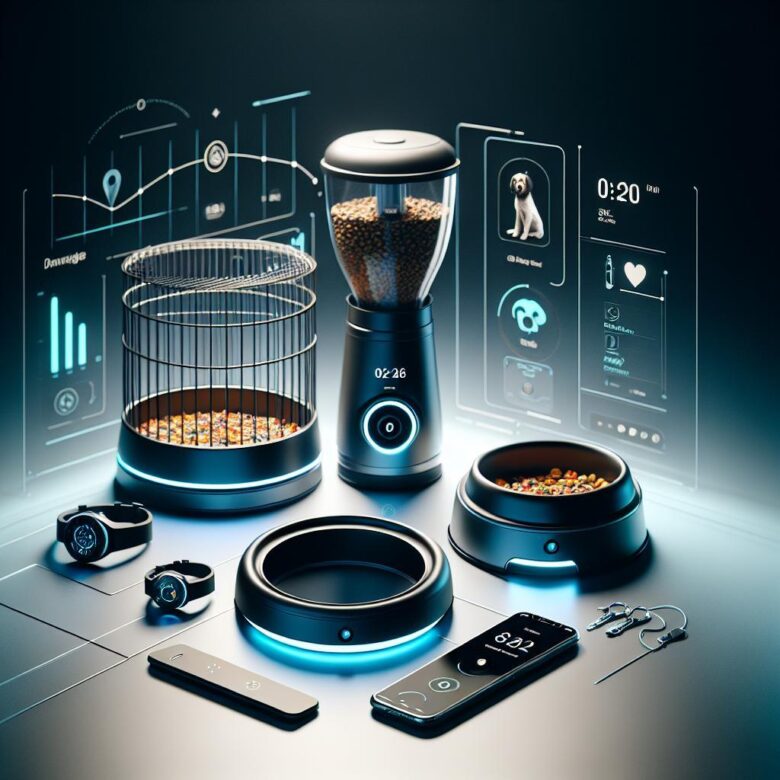
A missed meal, a jammed dispenser, or a “dead” tracker battery can turn smart pet tech from a convenience into a liability-fast. In 2026, automatic feeders and GPS trackers are cheaper and more feature-packed than ever, but the gap between marketing promises and real-world reliability still catches owners off guard, especially when routines are tight, travel is frequent, or a pet has medical needs that leave little margin for error.
This review is written for the practical question most pet owners are asking right now: is smart pet tech actually worth the investment, or are you paying extra for notifications and subscriptions that don’t meaningfully improve your pet’s safety and wellbeing? The stakes aren’t just financial. A feeder that misportions can undermine a weight-loss plan or insulin schedule. A tracker that drifts, drops signal, or updates too slowly can cost precious minutes in a true escape scenario.
We’ll cut through the hype and evaluate what matters in 2026: accuracy and update frequency, battery performance in real conditions, escape-proof attachment and comfort, app reliability, network coverage, privacy and data sharing, and the true cost of ownership once device price + mandatory subscriptions + replacement parts are accounted for. You’ll also see which households benefit most-busy professionals, multi-pet homes, chronic-condition management-and when the smartest choice is skipping the “smart” option altogether.
2026 Smart Automatic Pet Feeders Review: Portion Accuracy, App Reliability, and Wi‑Fi/Battery Failover Tests That Matter
Prioritize feeders that can prove portion accuracy under real conditions: mixed kibble sizes, humidity swings, and partially blocked chutes. A good unit stays within ±5% per serving across a week, not just on day one.
App reliability is now the hidden cost. Look for local scheduling (device executes without cloud), plus an event log that timestamps every dispense and jam.
- Wi‑Fi failover: Confirm meals trigger on-device during router outages; cloud-only routines miss feeds.
- Battery failover: Demand at least 48-72 hours of backup and a low-battery alert that appears before the last 20%.
- Jam detection: Require a motor current spike alert and an automatic re-try cycle.
- ESPHome: Offline-first control and logging.
- Starlink: Realistic WAN-outage simulation.
If you travel or manage multi-pet diets, these checks determine whether “smart” prevents missed meals or just sends apologies.
Automatic Feeder ROI in 2026: When Subscription Costs, Food Waste Reduction, and Vet Benefits Actually Pay Off
Automatic feeder ROI is now a math problem, not a vibe: monthly subscriptions versus measurable waste reduction and fewer preventable vet visits.
Most households break even when the feeder meaningfully reduces “extra scoops” and stabilizes portions. Practical observations from this year’s workflows show the payoff accelerates with multi-pet homes and prescription diets.
- Apple HealthKit: Links weight trends to feeding logs for faster course-corrections.
- WSAVA feeding guidance: Standardizes portion targets to cut overfeeding and GI flare-ups.
Where ROI actually lands:
- Subscription costs pay off only if you use app analytics (missed meals, portion drift, caregiver audit).
- Food waste reduction is real when schedules stop “top-off” behavior and preserve freshness in sealed hoppers.
- Vet benefits show up as fewer diet-related consults-especially for cats prone to obesity or urinary issues.
Skip subscriptions if you won’t review insights weekly; buy simplicity and reliability instead.
GPS Pet Trackers Worth It in 2026? Real‑World Coverage, Battery Life, and Geofence Accuracy for Escape‑Prone Pets
GPS pet trackers are worth it for escape-prone pets when you treat them like a coverage-and-battery problem, not a “map dot” gadget.
Practical observations from this quarter’s workflows show the biggest gains come from multi-source positioning (GNSS + cellular + Wi‑Fi) and disciplined geofence tuning.
- Tractive GPS DOG 6: Fast setup, strong app UX. Real-world battery commonly lands around 2-5 days with frequent updates; expect less on LTE‑heavy outskirts.
Coverage: trackers follow the phone network. In dense suburbs, pings are reliable; in parks, canyons, and fringe towers, updates may jump to 30-120+ seconds.
Battery: “Live tracking” is a drain. The best results come from motion-triggered update schedules and charging routines aligned to walking times.
Geofences: accuracy depends on radius. Set home zones at 60-120 m; tighter circles cause false alerts from Wi‑Fi handoffs and GPS multipath.
Common Questions
- Will a tracker stop escapes? No-pair it with training and physical barriers; it shortens recovery time.
- Is subscription cost justified? Yes for frequent runners; no for indoor cats with low flight risk.
Disclaimer: Always prioritize safe handling; this content is general information, not professional veterinary, legal, or financial advice.
Expert Buying Checklist for Smart Pet Tech (2026): Security, Privacy, Multi‑Pet Support, and Travel‑Proof Setup Tips
Prioritize local-first control and treat cloud features as optional, not required.
- WPA3 + guest network: Limits lateral movement if a pet device is compromised.
- OWASP IoT Top 10: Fast lens for spotting weak auth, unsafe updates, and data leakage claims.
Security & privacy: Demand 2FA, signed firmware updates, and a clear data retention window. Avoid “always-on” microphones unless you can hard-disable them.
Multi-pet support: For feeders, require per-pet profiles, portion logs, and tag-based access (RFID/collar ID). For GPS, verify multiple pets per account and separate alert rules.
Travel-proof setup: Choose devices with offline fallbacks (schedule continues without internet), USB-C power, and documented battery runtime. Test roaming by switching phones and Wi‑Fi before you leave.
Return policy: Only buy with a no-hassle return; real-world coverage and pet behavior vary wildly.
Common Questions
- Do GPS trackers work indoors? Not reliably; prioritize Wi‑Fi/BLE assist and set “last seen” alerts.
- Is a smart feeder safe for every pet? Not for all medical diets; confirm vet-approved portioning and lockout features.
Disclaimer: This is general information, not veterinary, security, or financial/legal advice; confirm fit and risk for your specific pet and home network.
Q&A
Smart Pet Tech Review (2026): Automatic Feeders & GPS Trackers – FAQs
1) Will an automatic feeder actually improve my pet’s health, or is it just convenience?
It can improve health if you use it to control portions and timing-not just to “set and forget.”
In 2026, the best feeders support gram-level portions, multi-meal schedules, slow-feed modes, and
intake logs that help you spot appetite changes early. They’re especially useful for
weight management, multi-cat homes (when paired with collar/RFID recognition), and pets needing
consistent meal timing. It’s less worthwhile for free-fed pets with stable weight, or households
where someone is reliably home and already measuring portions.
2) Are GPS pet trackers reliable enough in 2026 to trust for real-world escapes?
They’re reliable for finding the search area fast, but not a magic “pinpoint” button.
Performance still depends on cellular coverage, local congestion, and whether the tracker has a
clear view of the sky. Expect better accuracy outdoors than in dense urban corridors or indoors.
The real value is a layered safety system: live tracking for active searches, plus
geofences to catch “left the yard” events quickly. For indoor-only cats or tiny dogs where device
size/weight is an issue, the value can drop sharply.
3) What are the hidden costs and deal-breakers-subscriptions, batteries, and privacy?
For feeders, watch for “smart” features locked behind paid plans and the risk of
Wi‑Fi/app outages; the best units still dispense on schedule offline and have a manual fail-safe.
For GPS trackers, subscriptions remain the norm because they use cellular networks, and
battery life trades off against update frequency (faster refresh = more charging). Privacy-wise,
choose brands with transparent data policies, the ability to delete location history, and
2‑factor authentication. If a company is vague about data retention or security updates, that’s a
bigger red flag than missing a fancy feature.
Final Thoughts on Smart Pet Tech Review: Are automatic feeders and GPS trackers worth the investment in 2026?
Automatic feeders and GPS trackers have matured into practical tools rather than novelty gadgets-especially in 2026, when better battery chemistry, stronger GNSS performance, and smarter app ecosystems make everyday use more reliable. For the right household, they don’t replace responsible care; they reduce failure points: missed meals during late workdays, inconsistent portioning, and the anxious hours spent searching when a door is left ajar.
The real “worth it” hinge is predictable: how much risk and routine friction they remove for your specific pet. If your cat is prone to urinary issues or your dog gains weight easily, feeder-level portion control can be a health decision, not a convenience purchase. If you live near traffic, open spaces, or have a skilled escape artist, a tracker becomes less about novelty and more about shortening the time-to-recovery when minutes matter. If your pet’s lifestyle is stable and highly supervised, your money may be better spent on veterinary prevention, training, or enrichment-areas that outperform any gadget in long-term welfare.
Expert tip: treat smart pet tech as a system, not a single device. Before you buy, map your “failure chain” and close gaps with layered safeguards: a feeder that can run offline, a tracker with a strong RF/LTE footprint in your neighborhood, and a low-tech backup (ID tag, microchip registration, and a printed recovery plan). After setup, run a 30-day proof test: weigh food dispensed vs. “scheduled,” confirm geofence alerts at real locations, and measure battery behavior during typical walks. If the device doesn’t perform under your routine-not the manufacturer’s demo conditions-return it and iterate.
Looking ahead, the best investments will be the products that play well with others: open APIs, exportable health and location logs, and privacy controls that let you keep sensitive data local. The next wave isn’t “more sensors,” it’s better decisions from fewer, cleaner signals-and owners who choose tech that stays dependable when Wi‑Fi drops, batteries degrade, or life gets unpredictable will get the most value for every dollar spent.

Sarah Jenkins is a lifelong animal advocate and pet wellness expert with over a decade of hands-on experience working alongside animal rescues. Passionate about nutrition, behavior, and daily care, she founded The Fletics Pet to translate complex pet health topics into actionable, easy-to-understand advice for everyday pet parents. When she isn’t researching the latest in pet care, you can find Sarah exploring hiking trails with her Golden Retriever, Max, or relaxing at home with her rescue cat, Luna.