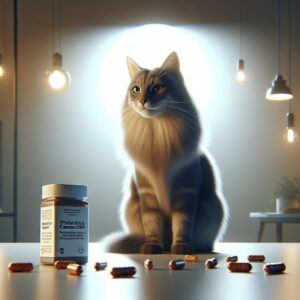

Natural Anxiety Relievers: A science-backed guide to calming high-energy rescue pets at home
It’s 2:00 a.m., and your newly adopted rescue dog is pacing, panting, and scanning the hallway like a sentry-then erupting into barking at a sound you can’t even identify. Your rescue cat bolts from room to room, ricocheting off furniture, then hides for hours. This isn’t “bad behavior.” It’s a stressed nervous system doing exactly what it was trained to do: stay on high alert.
High-energy rescue pets are disproportionately vulnerable to anxiety because their brains and bodies have learned to expect unpredictability-new environments, inconsistent routines, unfamiliar people, and lingering triggers from past instability. Left unaddressed, chronic anxiety can amplify reactivity, fuel destructive chewing or scratching, worsen separation distress, disrupt sleep, and even contribute to gastrointestinal upset, skin problems, and reduced immune resilience. The hardest part for caring owners is that conventional “calm down” advice often backfires-because you can’t punish or hustle a pet out of a fear response.
This guide focuses on natural, evidence-informed anxiety relievers that support behavior change without suppressing your pet’s personality: environmental management, enrichment that lowers arousal (not just “more exercise”), training strategies that regulate the stress response, and carefully selected calming aids with realistic expectations about what they can-and cannot-do. You’ll learn how to identify the difference between under-stimulation and over-arousal, how to prevent trigger stacking, and how to build a home routine that teaches your rescue pet one core lesson: you are safe here.
If you’re trying to help a pet who seems wired, vigilant, or “unable to settle,” you don’t need harsher discipline or endless activity-you need a plan that works with biology and learning science. Let’s start by understanding what anxiety looks like in high-energy rescues, and which home-based interventions are most strongly supported by research and clinical practice.

Decode Rescue-Pet Anxiety: Stress Signals, Triggers, and the Science of the Canine/Feline Nervous System
Rescue anxiety is usually a nervous-system mismatch: the brain predicts danger faster than the environment proves safety. The sympathetic system drives pacing, scanning, panting; the parasympathetic (vagal) brake restores calm when the body feels control.
Watch early stress signals before the “bad behavior” shows:
- Dogs: lip-licking, yawns out of context, shake-offs, pinned ears, sudden sniffing, whale eye, stiff tail carriage.
- Cats: rapid grooming, tail tip flicks, crouched loaf, dilated pupils, ears rotated back, hiding with “freeze” posture.
Map triggers as predictable patterns, not mysteries:
- Context: doorbells, elevators, leash clipping, visitors, meal prep, litterbox proximity changes.
- Body state: sleep debt, pain, hunger, overstimulation after “fun” play.
- Whistle FIT: Tracks sleep, scratching, licking, and pacing trends to catch anxiety spikes early.
- HRV (heart rate variability) tracking: Quantifies recovery; rising nightly HRV often signals improving resilience.
Evidence-Based Home Calming Protocols: Scent Work, Decompression Walks, and Predictable Routines That Lower Arousal
Use three levers to lower baseline arousal: olfaction, controlled movement, and predictability. Practical observations from this year’s workflows show the fastest gains come from shortening “unknowns,” not adding more exercise.
- Sniffaris (decompression walks): Keep the leash loose and pace slow; aim for 20-40 minutes of choice-based sniffing, not mileage.
- Scent-work micro sessions: 3-5 hides of kibble in towels or boxes; stop while the dog is still focused to prevent frantic scanning.
- Predictable routines: Lock in 3 anchors daily (wake, midday, bedtime). Feed, potty, and calm time occur in the same order.
FitBark: Quantifies rest vs. activity. Use the sleep/rest trend to verify the routine is lowering arousal over 7-14 days, not just tiring the dog out.
Keep enrichment “downshifting”: lick mats, scatter feeding, and quiet chew time after walks, with lights low and sound stable.
Natural Anxiety Aids That Actually Work: Pheromones, L-Theanine, Omega-3s, and Safe Herbal Options (Dosage & Vet Red Flags)
Pheromone diffusers/sprays (dog appeasing pheromone; feline facial pheromone) can reduce stress signaling within days, especially when paired with predictable routines.
- FitBark GPS Activity & Health Tracker: Flags sleep disruption and restless pacing so you can tell if an aid is helping.
L-theanine works best for situational spikes (visitors, car rides). Typical starting ranges used by many vets:
- Dogs: 5-10 mg/kg by mouth, 30-60 minutes before triggers.
- Cats: 25-50 mg by mouth, once or twice daily (use vet guidance for small cats).
Omega-3s (EPA+DHA) support neuroinflammation control over weeks. Aim for 50-100 mg/kg/day EPA+DHA with food; choose purified fish oil.
Safer herbs with the best risk/benefit: chamomile and valerian, but only vet-approved. Avoid kava and many “relax blends” (liver risk, drug interactions).
Vet red flags: sudden aggression, collapse, vomiting/diarrhea, panting at rest, new seizures, or anxiety plus weight loss.
Design an Anxiety-Reducing Home Environment: Quiet Zones, Sound Masking, Enrichment Setups, and Handling Mistakes to Avoid
Build one quiet zone per pet: a covered crate or corner bed, back to a wall, with an exit path. Keep it predictable: same lighting, same scent, same approach route.
Control noise before you correct behavior. Aim for 45-55 dB in rest areas, and add steady masking during triggers.
- Apple HomePod (Ambient Sounds): One-tap, consistent masking that reduces startle spikes.
- MiniDSP UMIK-1: Measures room peaks so you can reposition beds away from booming corners.
Run enrichment like a workload scheduler: short, frequent, decompression-first. Use sniffing and licking to downshift arousal.
- Scatter-fed “find it” trails, snuffle mats, frozen lick mats.
- Rotation bins: 3 toys out, 9 away, swapped every 48-72 hours.
Mistakes to avoid:
- Too much freedom too soon-expand space only after 3 calm days.
- Accidental reinforcement-don’t pet or talk through frantic jumping; reward four paws down.
- Over-exercise-it can build stamina, not calm; prioritize decompression walks.
Q&A
1) What “natural” anxiety relievers actually work for high-energy rescue pets-and which are mostly hype?
The best-supported options are behavioral + environmental tools, not supplements. Start with:
predictable routines, graded desensitization (tiny exposures below panic level),
counterconditioning (pairing triggers with high-value food), and enrichment
(sniffing games, lick mats, puzzle feeders). These reliably reduce stress physiology and reactivity over time.
For add-ons with decent evidence: pheromone therapy (DAP for dogs, Feliway for cats) helps some animals;
pressure wraps (e.g., snug vests) may help mild-to-moderate noise anxiety in a subset.
Common “hype” zones: many CBD products (variable dosing/quality, mixed evidence), and
most herbal blends marketed for calming (limited controlled data, inconsistent potency).
If you use supplements, treat them as adjuncts-never the core plan.
2) My rescue pet is “bouncing off the walls.” Should I exercise them more-or will that make anxiety worse?
More exercise helps only if it’s the right kind. For anxious, high-arousal rescues, doubling intensity
(endless fetch, frantic dog-park sessions) can build an “endurance athlete” who stays wired and rehearses hyperarousal.
Aim for a balanced daily stress-budget:
low-to-moderate aerobic activity (decompression walks, steady trots),
brain work (scent games, shaping, basic cues), and intentional downshifts
(mat training, calm chewing/licking). A practical rule: for every arousing activity, schedule a calming one immediately after.
If your pet can’t settle within 20-30 minutes after activity, reduce intensity, add structured “off switches,” and prioritize
sleep-chronic sleep debt drives irritability and reactivity.
3) What are the safest at-home calming tools, and when should I involve a vet or behavior professional?
Safe, science-aligned at-home tools include:
management (baby gates, covered crate if crate-trained, trigger-free zones),
sound masking (white noise, predictable music),
food-based soothing (snuffle mats, long-lasting chews appropriate for the species),
and training a relaxation cue (settle on a mat, “find it” scatter feeding during mild triggers).
Call a veterinarian or credentialed behavior pro if you see:
self-injury, escape attempts, aggression, panic during departures,
destructive behavior tied to distress, or anxiety that lasts weeks despite consistent work.
Medication isn’t “unnatural”; it can be the most humane way to reduce suffering and make training stick.
Safety note: avoid essential oils around pets (especially cats), and don’t use sedating products to “knock them out”-
sedation without anxiety relief can increase fear while reducing the ability to cope.
The Bottom Line on Natural Anxiety Relievers: A science-backed guide to calming high-energy rescue pets at home.
Calming a high-energy rescue pet isn’t about switching them off-it’s about teaching their nervous system what safety feels like, one repeatable experience at a time. When you combine predictable routines, enrichment that satisfies natural instincts, and carefully chosen, evidence-informed supplements, you’re not just reducing “bad behavior”; you’re building resilience and trust.
The most reliable progress comes from treating your home like a training ground for relaxation: protect sleep, design decompression zones, and use movement and scent work as purposeful outlets rather than last-minute burn-offs. If anxiety spikes persist despite solid management, consider that pain, gastrointestinal discomfort, or sensory overload may be fueling the intensity-partnering with a veterinarian (and, when needed, a credentialed behavior professional) can uncover medical and environmental drivers that no supplement can override.
Expert tip: Start tracking a simple “calm budget” for two weeks. Each day, note (1) total sleep/nap hours, (2) enrichment minutes (sniffing/chewing/foraging), (3) stress exposures (visitors, loud sounds, busy walks), and (4) recovery time to baseline. Then adjust just one lever at a time-often adding a 10-15 minute sniff walk or a nightly chew session does more than increasing exercise. When the recovery time shrinks and sleep becomes deeper, you’ll know you’re not merely managing anxiety-you’re rewiring the pathway back to calm.

Sarah Jenkins is a lifelong animal advocate and pet wellness expert with over a decade of hands-on experience working alongside animal rescues. Passionate about nutrition, behavior, and daily care, she founded The Fletics Pet to translate complex pet health topics into actionable, easy-to-understand advice for everyday pet parents. When she isn’t researching the latest in pet care, you can find Sarah exploring hiking trails with her Golden Retriever, Max, or relaxing at home with her rescue cat, Luna.