A dull, flaky coat isn’t just a cosmetic issue-it’s often the first visible clue that your pet’s nutrition isn’t keeping up with their skin’s demands. In practice, I see many owners respond by switching shampoos or buying “shine” supplements, only to miss the root driver: the daily balance of essential fatty acids, quality protein, and antioxidant support that fuels healthy skin turnover and a reflective coat.
Done correctly, targeted food-based boosters can improve softness and sheen within weeks. Done carelessly, they can backfire-triggering digestive upset, aggravating food sensitivities, or quietly adding excessive calories that contribute to weight gain (a major health risk in both dogs and cats). That’s why the smartest approach is simple, organic, and portion-controlled: small treats built around ingredients with a clear nutritional purpose.
This guide breaks down three easy-to-make organic treats designed to support coat shine from the inside out-using real-food nutrients such as omega-3s, vitamin E, zinc, and anti-inflammatory phytonutrients. You’ll learn exactly what each treat targets, why it works, and how to prepare it safely so your pet gets a visible glow-without guesswork or gimmicks.
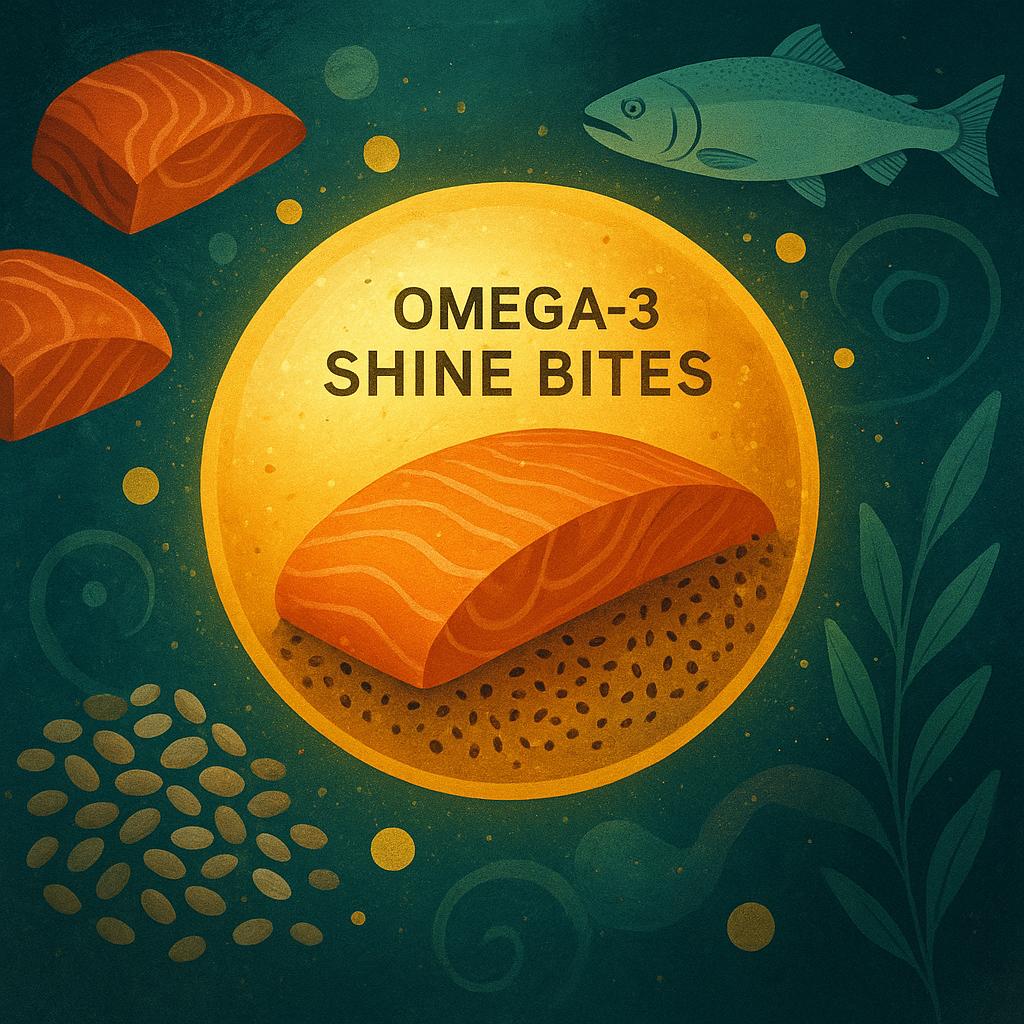
Omega-3 Shine Bites: DIY Salmon & Chia Coat-Gloss Treats (No Artificial Additives)
Goal: deliver EPA/DHA plus ALA for a visibly glossier coat, without dyes or preservatives.
- USDA FoodData Central: Quick macro checks for salmon/chia so you can dose treats consistently.
Ingredients (small batch):
- 85 g cooked, boneless salmon (poached or baked; no salt)
- 1 tbsp chia seeds, ground
- 1 tbsp oat flour (binder)
- 1 tsp water (only if needed)
Method:
- Mash salmon; fold in ground chia and oat flour.
- Rest 10 minutes so chia gels and locks in oils.
- Roll pea-size bites; bake at 160°C / 320°F for 10-12 minutes, or air-fry on low.
Smart dosing: start at 1-2 bites/day for small pets, 3-5 for large. Reassess after 14 days for shine and itch changes.
Storage: refrigerate up to 3 days, or freeze up to 6 weeks.
Biotin & Zinc Boosters: Egg-Yolk + Pumpkin Training Treats for Flake-Free, Silky Fur
Build a coat-shine treat around biotin (egg yolk) and zinc (pumpkin seeds) to reduce flakes and support stronger hair shafts.
- USDA FoodData Central: Fast nutrient lookup. Use it to confirm yolk biotin and seed zinc values before scaling portions.
Recipe (makes ~10 mini treats):
- 1 hard-boiled egg yolk, mashed
- 1 tbsp ground pumpkin seeds (unsalted)
- 1-2 tbsp plain pumpkin purée (binder)
- Optional: 1 tsp collagen gelatin for firmer “training” cubes
Workflow: Mix into a thick paste, press into a silicone mold, chill 30 minutes, then portion.
Dose: Start with 1 pea-sized treat per training session for cats or small dogs; 2-3 for medium/large dogs. Increase only after a week without loose stools.
Why it works: yolk biotin supports keratin production, while zinc helps skin barrier function-often the missing link in dull, itchy coats.
Probiotic Kefir Freeze-Drops: Gut-Skin Support Treats to Reduce Dullness and Itchy Coats
Use unsweetened, plain kefir as a probiotic carrier to support the gut-skin axis, which often shows up as coat dullness and scratchy flaking.
- Blend 1/2 cup kefir with 1-2 tbsp pumpkin purée for soothing fiber.
- Add 1 tsp ground chia for plant omega-3s and a gel texture.
- Optional: 1-2 tsp sardine water (no salt) for palatability and extra fats.
Portion into silicone mini molds and freeze 3-4 hours. Serve as 1-3 drops/day based on size.
Practical observations from this year’s workflows show itch reduction is most consistent when doses stay small and steady for 14-21 days.
- pH strips: Flags overly acidic mixes quickly (aim close to kefir’s natural range).
Smart handling: thaw for 2 minutes before serving to protect sensitive teeth, and keep batches to 7 days to preserve live cultures.
Common Questions
- Can cats have kefir drops? Some tolerate tiny amounts; start with a pea-sized lick and monitor stool.
- Will probiotics fix all itching? They can help coat quality, but parasites, allergies, or infections need targeted care.
Safety note: Introduce any new treat gradually and consult your veterinarian for pets with GI disease, pancreatitis risk, or on medications.
Safe Dosing & Ingredient Swaps: Breed, Size, and Allergy-Friendly Tweaks for Maximum Coat Shine
Target total “boosters”: keep treat add-ins to ≤10% of daily calories. That prevents oily stools and preserves nutrient balance.
Size-based dosing (daily):
- Small (<10 lb): 1-2 tsp total oily/seeded add-ins
- Medium (10-50 lb): 1-2 tbsp total
- Large (>50 lb): 2-3 tbsp total
Breed/skin tweaks: short-coated breeds often shine with less fat; double-coated breeds tolerate slightly more, but stop if dander rises.
Allergy-friendly swaps:
- Fish-sensitive: swap salmon/sardine for algae oil (DHA/EPA source).
- Chicken/egg allergy: use turkey or lentil flour binders; skip egg washes.
- Grain sensitivity: replace oats with pumpkin puree or chickpea flour.
- Purina Body Condition System (BCS): Tracks weight/coat impact fast.
- AAFCO nutrient profiles: Keeps DIY treats from displacing complete nutrition.
Red flags to pause: itching surge, ear redness, vomiting, or greasy coat within 72 hours.
Q&A
1) Which ingredients actually boost coat shine-and what are 3 easy organic “treats” I can make at home?
Coat shine is largely about skin hydration and healthy fats-especially omega‑3s-plus a few key micronutrients.
Three simple organic options:
-
Omega “Gloss” Frozen Cubes (dogs & many cats)
Mix plain organic kefir or unsweetened yogurt with a spoon of organic pumpkin puree and a small amount of sardine or salmon (packed in water, no salt). Freeze in silicone molds.
-
Shine Sprinkle (dogs; some cats)
Grind organic chia or ground flax into a powder. Store airtight and sprinkle lightly over meals (grinding improves digestibility).
-
“Golden Coat” Broth Bites (dogs; cats if tolerated)
Simmer organic bone broth (or a vet-approved, onion/garlic-free stock) and whisk in a pinch of organic turmeric plus a tiny amount of black pepper (optional; skip for sensitive pets). Set in the fridge with a little plain gelatin to make cuttable cubes.
For most pets, the biggest shine payoff comes from marine omega‑3s (sardine/salmon) and steady, small daily dosing rather than big “treat days.”
2) How much should I give-and how often-so I see results without upsetting my pet’s stomach?
Aim for tiny, consistent add‑ons (treats should generally stay under 10% of daily calories).
Practical starting points:
- Frozen omega cubes: 1-2 small cubes for small pets, 2-4 for medium/large, daily or every other day.
- Chia/flax “shine sprinkle”: start with a pinch for small pets, 1/4 tsp for medium, 1/2 tsp for large, once daily. Increase slowly over 1-2 weeks.
- Broth bites: 1-2 small cubes for small pets, 2-3 for larger, a few times per week.
Expect visible coat improvement in 3-8 weeks (hair growth cycles are slow). If you see soft stool, gas, or itching, cut the amount in half and reintroduce gradually.
3) Are these safe for both dogs and cats, and what ingredients should I avoid?
Many “coat” boosters overlap, but cats are more sensitive to dietary changes and certain ingredients.
Safety checklist:
- Avoid for both: onions, garlic, grapes/raisins, xylitol/birch sugar, chocolate/cocoa, macadamia nuts, alcohol, and heavily salted foods.
- Fish: great for shine, but keep portions small; choose water-packed, no added salt. Avoid frequent tuna (heavy metal risk).
- Dairy: some pets tolerate kefir/yogurt well; others don’t. If there’s itching, diarrhea, or ear flare-ups, skip dairy and use a broth base instead.
- Flax/chia: generally fine in modest amounts for dogs; for cats, use extra-small amounts and prioritize marine omega‑3s.
- Medical cautions: pets with pancreatitis history, IBD, food allergies, clotting disorders, or on anti-inflammatory/anticoagulant meds should get vet guidance before adding fatty fish, turmeric, or supplements.
If dandruff, hair loss, or dull coat persists despite diet tweaks, consider parasites, thyroid issues, allergies, or inadequate base nutrition-coat shine often reflects the whole-health picture.
Final Thoughts on DIY Nutrient Boosters: 3 easy-to-make organic treats that improve your pet’s coat shine.
Coat shine is rarely a “cosmetic” issue-it’s a visible report card on hydration, fatty-acid balance, and how well your pet is absorbing nutrients. When you rotate a few simple organic boosters into a well-formulated diet, you’re not just adding gloss; you’re supporting the skin barrier that keeps flakes, itch, and dullness from creeping back.
Expert tip: Treat these nutrient boosters like a targeted supplement-small, consistent, and measured. Pick one recipe to use for 10-14 days, then reassess the coat (softness at the neck and shoulders, reduced dandruff, less “static,” and faster regrowth in brushed-out areas). Start with ½ teaspoon per 10 lb (4.5 kg) body weight once daily, and adjust only if stools stay firm and comfortable. If you notice ear debris, itch, or greasy skin, it’s often a sign you’ve overshot fats or introduced too many new ingredients at once-scale back, simplify, and reintroduce slowly.
For a forward-looking habit that pays dividends: snap a quick photo of your pet’s coat in the same lighting every two weeks and pair it with a note about what you fed. This “shine journal” turns guesswork into a clear pattern-so you can keep the recipes that truly work for your pet and retire the ones that don’t.

Sarah Jenkins is a lifelong animal advocate and pet wellness expert with over a decade of hands-on experience working alongside animal rescues. Passionate about nutrition, behavior, and daily care, she founded The Fletics Pet to translate complex pet health topics into actionable, easy-to-understand advice for everyday pet parents. When she isn’t researching the latest in pet care, you can find Sarah exploring hiking trails with her Golden Retriever, Max, or relaxing at home with her rescue cat, Luna.